Lifecycle stage Visitor Subscriber
Reach customers on their phone
How to use QR codes for small-business marketing (and actually track them)
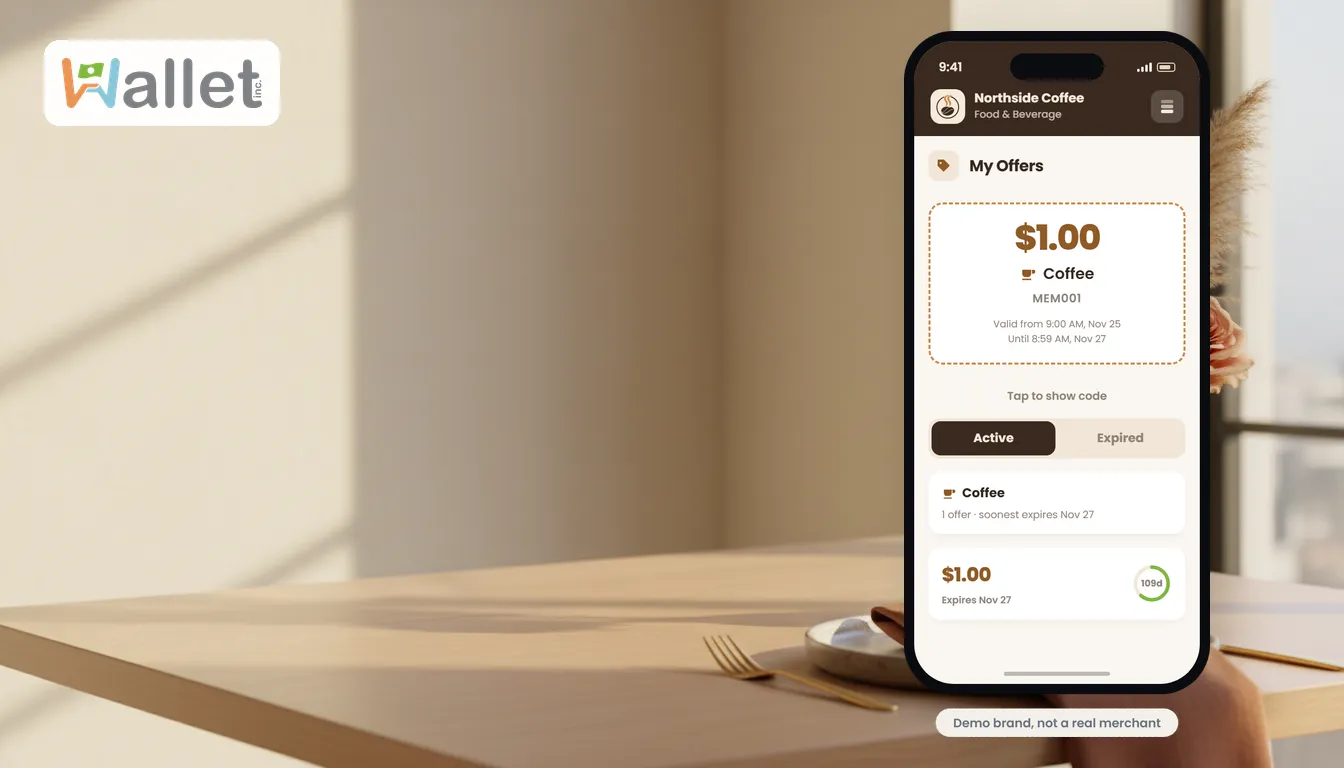
A QR code is the shortest distance between something physical and something digital. A customer points their camera at a square on your window, your table tent, or your receipt, and they are instantly wherever you want them: your offer, your menu, your sign-up. No typing a web address, no searching.
Most small businesses use QR codes as a one-way door, though. The better ones make them branded, trackable, and editable, which turns a simple square into a real marketing tool. Here is how to use them so they earn their place, and how to measure whether they worked.
What makes a QR code worth using
The codes that work share three traits, and most homemade ones miss at least one.
- Branded. They match your look instead of dropping a generic black square into a beautiful storefront. A branded code signals it is safe to scan, which matters more than people think.
- Trackable. You learn something. A QR on the window and a QR on the receipt can point to the same offer but tell you which placement actually got scanned.
- Editable. A printed code is not a permanent decision. If the offer changes, you change where the code points, not the code itself.
A QR code that does none of these is just a link you cannot measure and cannot update. A QR code that does all three is a campaign.
How Wallet makes a QR code do all three
Wallet generates branded QR codes tied to short, trackable links. That pairing is what gives you the three traits at once: the code carries your brand, every scan is counted, and because it points at a short link you control, you can change the destination any time.
So you can put a different code on each surface (one on the table tent, one on the flyer, one on the receipt), send them all to the same offer, and see which placement people actually used. Next time, you print more of what worked.
The quiet part: editable without reprinting
Here is the detail that saves real money. Because the QR points at an editable short link (a redirect with only a brief cache), you can repoint it whenever you like. The Tuesday special becomes the weekend special, the same printed code now leads to the new page, and you never reprint a thing. You do not need to understand the mechanics to benefit; it just means your printed codes never go stale.
Where to put them, by business
- Cafes and restaurants. A table tent that opens your menu and today’s offer, a “scan to join” at the register. (A QR code menu is the most-scanned surface most restaurants have.)
- Retail. On the receipt and the fitting-room mirror, pointing at new arrivals or a reason to join.
- Services and salons. On the counter and the appointment card, pointing at booking or an offer.
- Events and markets. On the booth and the flyer, pointing at a one-tap way to stay in touch after you pack up.
The rule is the same everywhere: put the code where people already look, and make the payoff for scanning obvious.
Turn a scan into a customer you can reach
A scan that just opens a page is a missed opportunity. The most valuable QR points at something that also lets the visitor join in a tap, so a one-time scan becomes a subscriber you can message later. That is the bridge from Attract to Engage: the code attracts the scan, and the destination captures the scanner. See how to collect phone numbers the easy way.
A simple way to start
Pick one surface customers already look at, your counter, a table, a receipt, and put a single branded code on it that leads somewhere genuinely useful: a real offer, your menu, or a one-tap way to join your list. Give people an obvious reason to scan and a clear payoff when they do.
Then watch the scans. Once you can see which placement works, QR codes stop being decoration and start being measurable marketing.
Common questions
Are QR codes still used? Yes, widely, phone cameras scan them natively now, so there is no app to open first, which is exactly why they came back.
What is a dynamic QR code? One that points at an editable link, so you can change the destination after printing without changing the code.
Can I track who scans a QR code? You can track how many scans each code got and which placement drove them. Pair the code with a one-tap join and a scan can also become a contact you can reach.
Are Wallet QR codes free? Yes, creating branded, trackable QR codes is part of the free Visitor tier, no app for the person scanning.
Make your first trackable code and see which surface your customers actually use. Start free.