Lifecycle stage Subscriber
Reach customers on their phone
SMS marketing, explained: what it is, what it costs, and whether it works
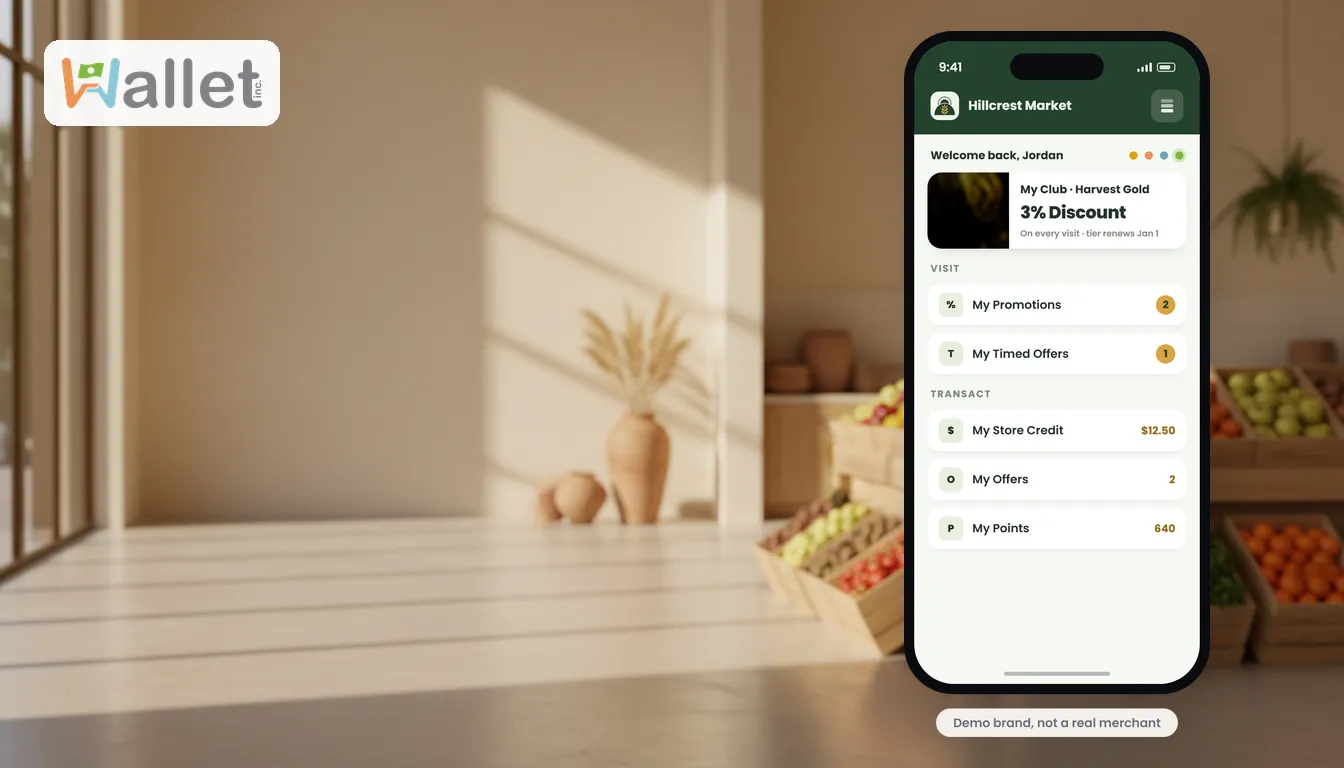
If you are weighing SMS marketing, you probably want three honest answers, not a sales pitch: what it actually is, what it costs, and whether it is worth doing. Here they are, in order, plus what it takes to do it compliantly and well.
What SMS marketing is
SMS marketing is sending offers, updates, and reminders by text message to customers who have opted in to hear from you. That last part matters: it is permission-based. A customer joins your list (often by texting a keyword or scanning a code), and from then on you can send them a timely message, a one-day offer, a “your table is ready,” a “we just got your size back in”, straight to the device they check more than any other.
It is not buying a list of strangers and blasting them. That is spam, it is illegal in most places, and it does not work. Real SMS marketing is a conversation with people who chose to be there.
What it costs
SMS marketing is usually priced two ways at once: a monthly plan for the tools, plus the cost of the message volume you send. Plans scale with what you need, from a simple broadcast tool for a single shop up to higher-volume, higher-throughput tiers for busy or multi-location businesses.
Rather than quote a figure that will be out of date, the useful way to think about cost is value per visit: a single well-timed text that fills a slow afternoon or recovers a lapsed regular usually pays for a month of the tool. (For current plan pricing, see the live plans rather than an article.)
Does it actually work?
Yes, with two conditions: it has to be opt-in, and it has to be relevant. Text messages are widely reported to be opened far more often than marketing emails, and far faster, which is the whole appeal: your message is seen, usually within minutes. (Exact open-rate figures vary by source, so treat the often-quoted numbers as directional rather than precise.)
There is a structural reason texting suits repeat business specifically. In one widely-cited cross-channel study (Econsultancy, reproduced by Invesp), mobile messaging was the channel marketers most often used primarily for retention, at 58 percent, ahead of email at 52 percent, while the channels everyone leans on for acquisition (paid search, display) barely registered for keeping customers. Texting is where existing customers actually are.
The businesses that get little from SMS are almost always the ones who blast the same message to everyone. The ones who do well send fewer, better-timed texts that reflect what the customer last did.
What good SMS looks like
- Fewer, better texts. One relevant message beats five generic ones. Every send is also a chance to get an opt-out, so make each one earn its place.
- Timing over volume. A text that lands when it is useful (the slow afternoon, the restock, the event tomorrow) outperforms a scheduled blast.
- A clear single action. One offer, one link, one thing to do.
- Segment by behavior. New subscribers, lapsed regulars, and VIPs should not get the same message.
The part nobody enjoys, handled for you
SMS marketing has a compliance layer that is easy to get wrong: collecting proper consent, registering your number (A2P 10DLC in the US), honoring opt-outs, and following TCPA rules. Get it wrong and your messages stop being delivered, or worse. Carrier registration also takes a short while to approve, so it is not something to leave to the last minute before a campaign.
This is where a platform earns its keep. Wallet handles the opt-in capture, the registration, the consent records, and the easy opt-out, plus the broadcasts and the analytics that show what each send actually drove. You focus on the message; the compliance runs underneath.
How to start
The first step is not the texting; it is the list. You need customers who have opted in, which you build at the counter, on a receipt, or with a code on a table tent. See how to collect phone numbers the easy way. With Wallet you build that list for free; sending goes live once you register to send, which starts your plan (and monthly upgrades begin with a 14-day free trial).
Once you have a list and the compliance is handled, a single broadcast can fill a quiet day. Start free and build your list first.