Lifecycle stage Visitor
The wallet as your app
Progressive web apps, explained: an installable app without the app store
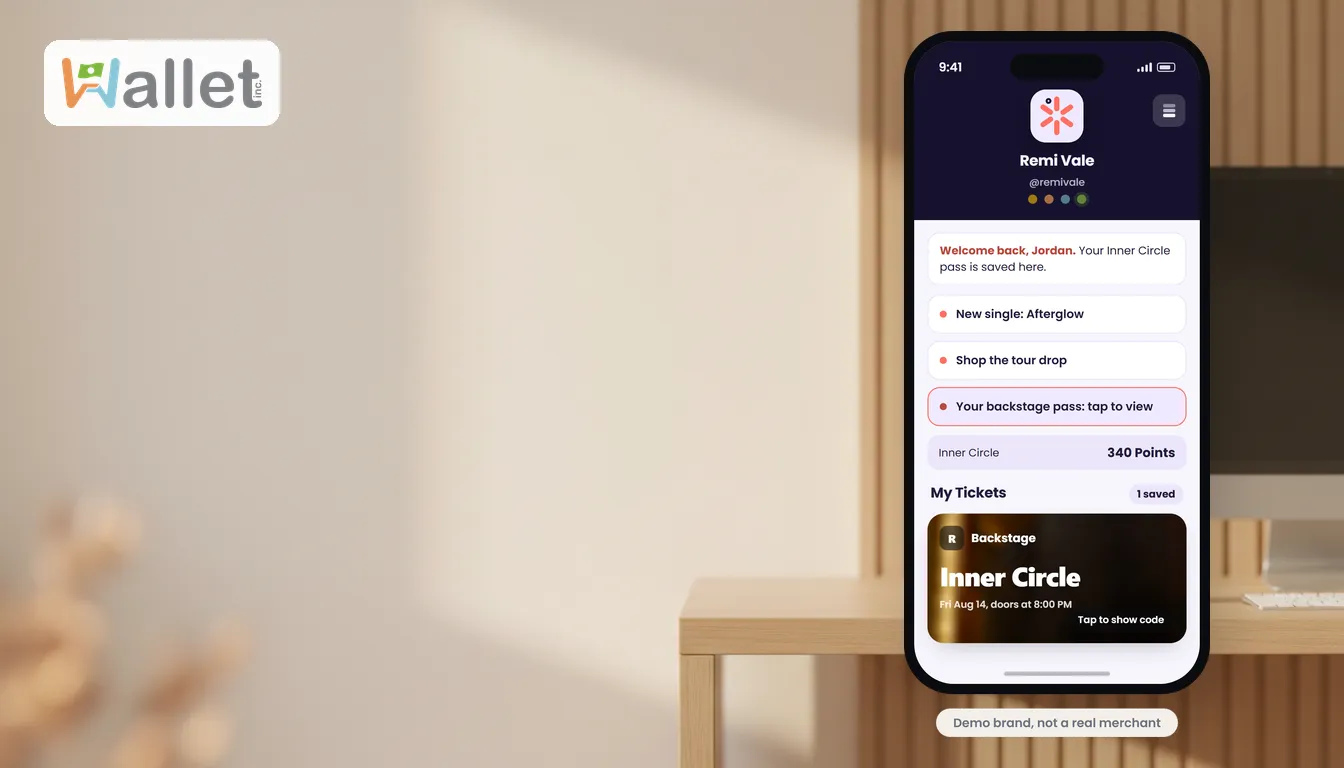
You want customers to have an app: an icon on their home screen, something that opens fast and works even on a patchy connection. What you do not want is to build a native app, submit it to two app stores, maintain it, and pay the fees. A progressive web app is the middle path that gives you most of the former without the latter.
Here is the plain-English version, including honest answers to the questions people actually ask.
What a progressive web app is
A progressive web app, or PWA, is a website built to behave like an app. A customer can add it to their home screen, open it with a tap, and use it much like a native app, but it installs straight from the browser, with no app store in between. For you, there is one thing to build and maintain instead of a website plus two separate native apps.
The questions people actually ask
These are the real concerns, and the honest answers matter more than the hype.
Does it work offline? Yes, within limits. A PWA can cache content so it loads and works without a connection, though anything that needs live data still needs a network.
Does it work on iPhone? Yes. Customers can add a PWA to the iOS home screen and use it. Apple has historically supported a narrower set of PWA capabilities than Android, and the details shift between iOS versions, so confirm the current behavior for anything you depend on.
Can it send notifications? Generally yes, with platform differences. Push notification support has expanded across browsers and devices, including more recent iOS support, but exact behavior varies, so test it rather than assume it.
Do I skip the app store? Yes. A PWA installs from the browser, so there is no store review, no store fees, and updates go live instantly instead of waiting on an approval cycle.
”Are PWAs still a thing?”
It is a fair question, and a common search. The honest answer: yes. PWAs are widely supported and a practical fit for most businesses that want app-like reach without the cost of going native. A few cases still genuinely need a native app (deep hardware integration, certain store-only features), but for the typical small or mid-size business, a PWA does the job.
How Wallet does it
Wallet offers your guest experience as a progressive web app: installable, offline-capable, and in your brand, so customers add your wallet to their home screen with a tap and no download. If you truly need a native build for the app stores, that option exists too, but most businesses reach more customers, faster, by skipping the store entirely.
The short version
A PWA gives you the home-screen icon, the speed, and the offline support of an app, without the app store, the fees, or the dual-platform build. For most businesses, that is the right trade.
Want an installable, branded app without the app store? Start free or request a walkthrough.