Lifecycle stage Visitor
The wallet as your app
What is a white-label app, and when does your business want one?
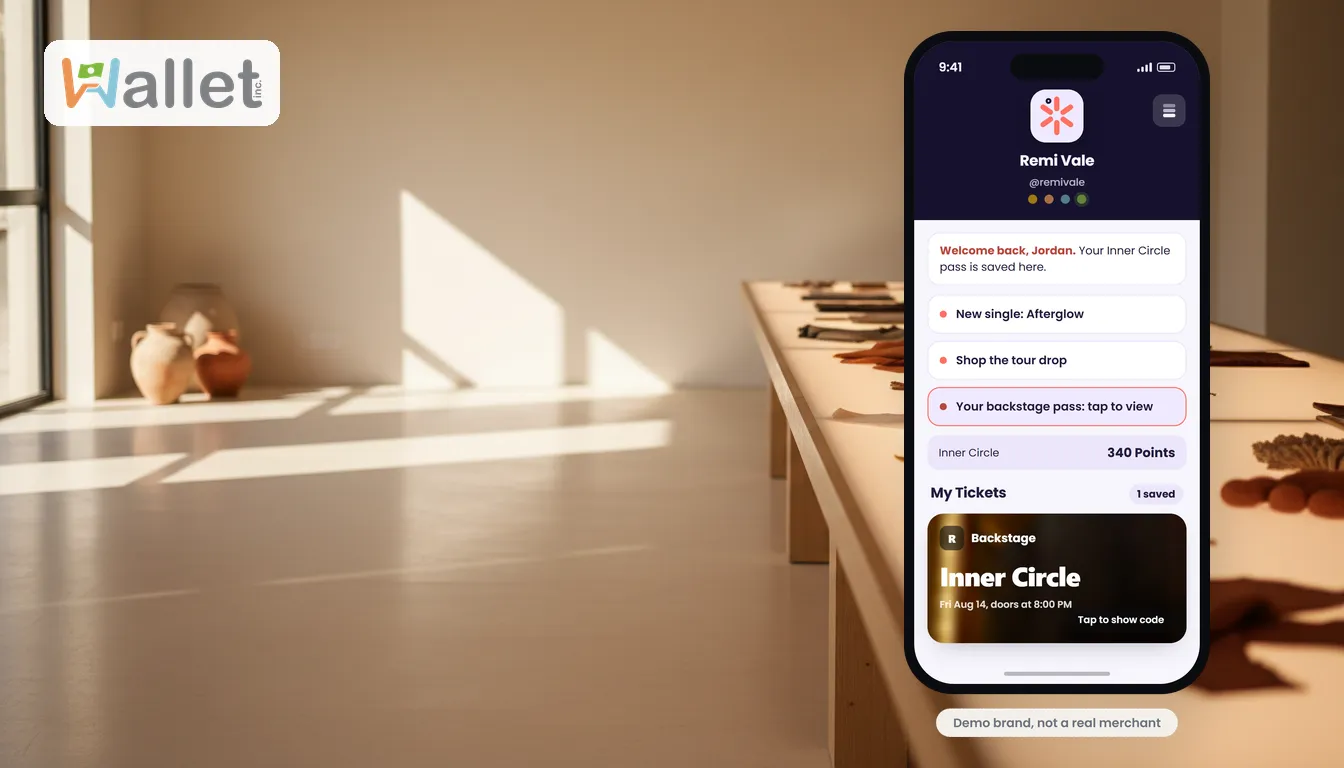
If you have looked into offering your customers an app, you have probably run into the term white-label, usually attached to a promise that you can have your own branded app without building one. That promise is real, but it is worth understanding what white-label actually means, when it is the right move, and how it compares to the alternatives.
What “white-label” means
A white-label product is software that one company builds and another rebrands and sells as its own. The underlying platform is proven and maintained by the maker; the brand the customer sees is yours. You get a polished experience under your name, without the time, cost, and risk of building software from scratch.
The customer never sees the platform underneath. They see you.
When it makes sense
White-label is the right call when three things are true: you want your brand front and center, you want it soon, and you do not want to staff and maintain a development team to get there. That describes most businesses that want an app-like presence but are not in the business of building apps.
The thing to look at closely is how much is genuinely customizable (is it really your brand, or a thin skin?) and who maintains it (updates, security, support). A good white-label partner handles the upkeep so you do not inherit a software project.
White-label app vs a custom app vs a PWA
These get muddled, so plainly:
- A custom native app is built from scratch for you. Total control, and the highest cost, longest timeline, and most maintenance. You are now running a software project.
- A white-label app is a proven platform wearing your brand. Most of the payoff, a fraction of the cost and time, and someone else handles the upkeep.
- A progressive web app installs from the browser with no app store at all, the lowest-friction way to get an app-like presence.
For most businesses the honest answer is not “build a custom app.” It is “brand a platform,” and often “skip the store entirely.”
How Wallet does white-label
Wallet is white-label by design, not as an add-on. The guest sees your brand, not Wallet’s, across the whole experience, and it comes in tiers depending on how far you want to take it:
- Your brand inside the wallet itself (the skin every guest sees), part of the free tier.
- Your own custom domain on every link and QR code, so even the web address is yours.
- A fully branded native app, published and managed for you, when you need a presence in the app stores.
You choose the level. The platform underneath is the same proven system; what changes is how much of it wears your brand. (Exact capabilities per tier are worth confirming against current plans.)
”Isn’t white-label just generic?”
A fair worry, and the opposite is true when it is done well. White-label is not a generic experience; it is your brand on a platform you did not have to build. Your customers see your name, your colors, your domain. The only thing you skip is the months of development.
When you do not need one
If your goal is simply to be reachable and give customers a branded place to find you, you may not need a native app at all, a branded wallet or PWA gets you there faster and for less. Reserve the native build for when you specifically need to be in the app stores or need deep device features.
The short version
A white-label app gives you a branded, app-like experience without building or maintaining the software. For most businesses, that is the fastest way to put your brand in your customers’ hands. Start with the branded wallet for free, and add the domain or the native build when you need them.
Want to see your brand on the wallet, the domain, and the app? Start free or request a walkthrough.