Lifecycle stage Member
No-app wallet and loyalty
Run a real loyalty program this week, without buying software or building an app
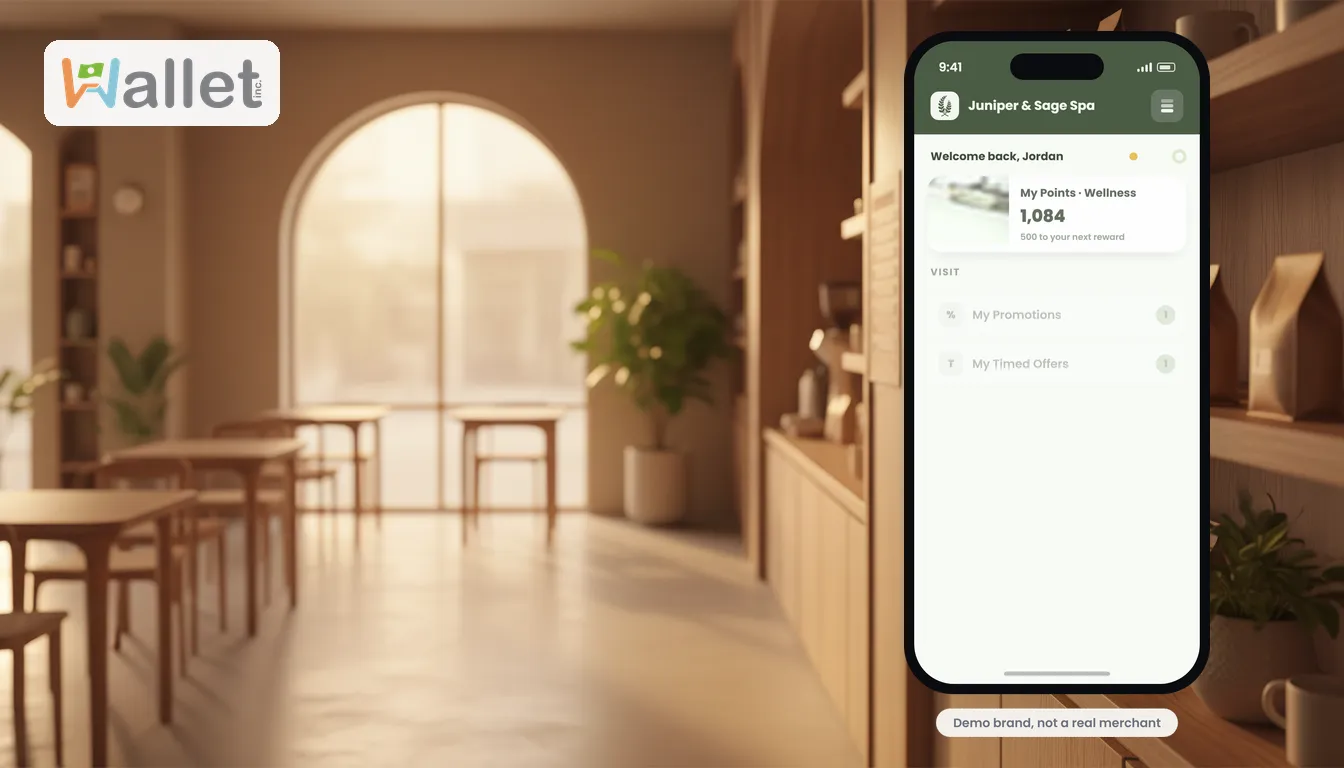
Most small business owners want a loyalty program and quietly never start one, because the word “program” sounds like a project: software to choose, a system to learn, maybe an app to build, and a budget to defend. So the idea sits on the someday list while regulars come and go unrewarded.
Here is the reframe that gets you unstuck. A loyalty program is not software you install. It is a card your customer carries. And the easiest place for that card to live is the one your customer never leaves home without: the wallet on their phone. This guide covers why the usual options stall, the no-software version, which type of program to choose, how to set one up this week, and how to keep it working.
Why the usual options stall
Three common paths each carry a hidden tax.
A paper punch card is cheap to print and easy to lose. It lives in a drawer or a coat pocket, not on the customer, so it only works on the rare day they remembered to bring it.
A custom app is the opposite problem: it asks the customer to visit an app store, download, and create a login before they can earn a thing. Most will not, so the program never reaches the people it was built for.
A full loyalty software platform can work, but it turns a simple idea into a procurement decision, with setup, training, and a monthly line item you have to justify before you have seen a single returning customer.
The goal is the reward and the repeat visit. Everything else is overhead.
Which type of program to choose
Most programs are one of a few shapes. Pick the simplest one that fits how people actually buy from you.
- Stamp or punch (visit-based). Buy nine, get the tenth. Simple and familiar, great for frequency businesses like coffee and lunch.
- Points (spend-based). Earn points per dollar, redeem for rewards. Flexible, good when ticket sizes vary.
- Tiers (status-based). Unlock perks at levels. Good for rewarding your best customers and giving them something to climb toward.
You can always add tiers later; you cannot un-confuse a program that started too complicated.
The no-software version: a virtual card in the wallet
Wallet runs your loyalty program as a digital card, a virtual membership that lives in the customer’s phone wallet. The customer taps once and gets a single code by text, and the card is theirs. No app to download, no password to remember, and it is skinned entirely in your brand.
For you, setup is configuration, not construction. You choose the reward and the rule (a stamp per visit, points per dollar, a perk at a tier), and the card is live. There is nothing to install and no developer to hire. A program you can stand up this week beats the perfect one you never get around to building.
How to set one up this week
- Pick the shape and the reward, stamp, points, or tiers, and what it earns.
- Set the rule, a stamp per visit, points per dollar, a perk at a tier.
- Brand the card with your colors and logo.
- Put a join code on your counter and receipts so customers add it in a tap.
- Enroll your regulars first. They are the ones who will actually use it.
What makes a loyalty program actually retain
- Make the first reward reachable. A reward ten visits away feels impossible; put the first one close.
- Reward the behavior you want more of, visits, spend, or referrals.
- Recognize your best customers differently from brand-new ones.
- Remind them where they stand, a nudge that reflects their progress, not a blanket blast.
The quiet part: why it keeps working
A virtual card is not a paper punch card. It lives in the customer’s phone wallet, so it is never left at home in a drawer and never needs reprinting. And because it rides on the phone they already carry everywhere, it is right there whenever they visit, unlike a punch card left behind or a download buried in an app store.
Where this fits
A loyalty program is how a one-time customer becomes a regular, the move from Customer to Member in the lifecycle, and it is worth doing because your existing customers are your cheapest growth: research in Marketing Metrics puts the odds of selling to an existing customer at 60 to 70 percent, versus 5 to 20 percent for a new prospect. You build your audience for free; running loyalty is part of Wallet’s Member stage, so you turn it on when you are ready (monthly upgrades begin with a 14-day free trial). For a closer look, see wallet-based loyalty in depth.
Take the friction away and the program is simply worth doing. Start free and put your first card in front of a customer this week.